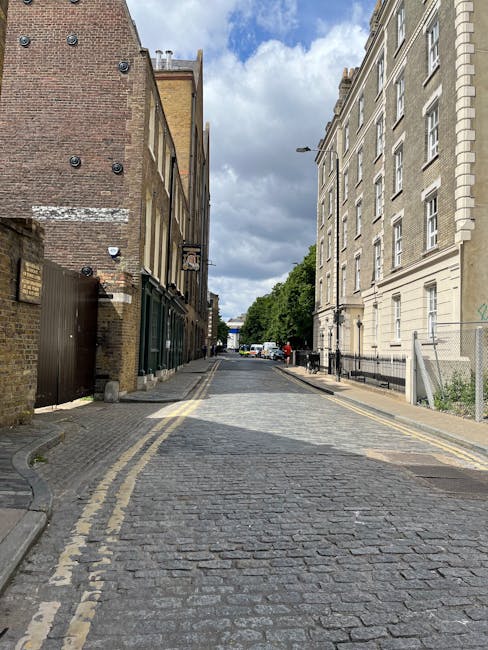
Removals for narrow street access in Notting Hill Gate
Moving in Notting Hill Gate sounds straightforward until you meet the reality on the ground: parked cars, tight turns, narrow pavements, awkward stairwells, and a van that looks just a bit too large for comfort. That is exactly why removals for narrow street access in Notting Hill Gate need a different approach from a standard house move. With the right planning, the right vehicle, and a crew that understands London access issues, the day can feel calm rather than chaotic. Truth be told, the difference is usually in the details you sort out before anyone lifts a box.
This guide explains how narrow-access removals work, who they suit, what can go wrong, and how to prepare so your move stays efficient and safe. If you are comparing options, you may also find it useful to look at removal services, general removals, and man and van support for smaller, access-sensitive jobs.
One quick reassurance before we get into the detail: narrow streets are inconvenient, yes, but they are not a dead end. They just require a smarter moving plan.
Contents
- Why Removals for narrow street access in Notting Hill Gate Matters
- How Removals for narrow street access in Notting Hill Gate Works
- Key Benefits and Practical Advantages
- Who This Is For and When It Makes Sense
- Step-by-Step Guidance
- Expert Tips for Better Results
- Common Mistakes to Avoid
- Tools, Resources and Recommendations
- Law, Compliance, Standards, or Best Practice
- Options, Methods, or Comparison Table
- Case Study or Real-World Example
- Practical Checklist
- Conclusion
- Frequently Asked Questions
Why Removals for narrow street access in Notting Hill Gate Matters
Narrow street access changes almost every part of a removal. It affects where a vehicle can stop, how far the team has to carry items, whether large furniture can be taken in one piece, and how long the job will actually take. In a place like Notting Hill Gate, where residential streets can be busy and parking is often tight, these issues can turn an ordinary move into a logistical puzzle.
The main reason it matters is simple: access affects cost, timing, and risk. If a moving truck cannot park close enough, the team may need a smaller van and a shuttle-style load transfer. If the street is especially restricted, there may be extra walking distance, more handling time, and a need for clearer arrival timing so the team is not stuck circling the block. That is not theory. It is what happens on real moving days, often at about 8:00 in the morning when everyone is trying to get on with their lives.
Narrow access also raises the risk of damage. More carrying means more chances for scratches on bannisters, knocks on walls, or a heavy sofa catching on a stairwell corner. A thoughtful approach reduces that risk dramatically. If you are moving from a flat, it can be worth looking at flat removals because access planning is usually central to that kind of move anyway.
Expert summary: narrow street access does not just affect the vehicle size. It changes the whole removal strategy, from packing and loading to timing and parking. The best moves are the ones planned around access first, not as an afterthought.
How Removals for narrow street access in Notting Hill Gate Works
In practice, a narrow-access move starts before moving day. The removals team will usually want to know the postcode, the type of property, the width and layout of the street, any loading restrictions, and whether there are steps, lifts, or courtyard entrances. They may also ask for photos or a quick description of the approach from the road to the front door. A five-minute call can save an hour of guesswork later. Easy win.
From there, the move is usually shaped around one of three access methods:
- Direct access with a smaller vehicle - ideal when a smaller van can park nearby and carry times stay reasonable.
- Shuttle loading - useful when a larger vehicle cannot get close, so goods are moved between property and vehicle in stages.
- Mixed vehicle approach - sometimes a smaller removal van handles the access-heavy part, while a larger vehicle supports the main load elsewhere.
Good removals planning also considers the contents of the home. Bulky wardrobes, large sofas, pianos, and awkward wardrobes are all access-sensitive items. If those are part of your move, you may need a more specialised approach such as piano removals or targeted furniture removals.
Timing matters too. Parking pressure in the area can be heavier at certain times of day, and the streets can feel busier than they look on a map. A slightly earlier or later slot may make all the difference. That is one reason some people opt for same day removals only when the access plan is already clear and the move is relatively simple.
Key Benefits and Practical Advantages
A well-run narrow-access move brings more than just convenience. It helps protect your belongings, your building, and your patience. And let's be honest, moving day already asks a lot of you.
- Less handling risk - fewer unnecessary lifts and shorter carry routes mean less chance of damage.
- Better time control - the team can work with a realistic plan instead of guessing.
- Cleaner property protection - careful access planning reduces scuffs on walls, floors, and communal areas.
- Smarter vehicle choice - you do not pay for more vehicle than you can actually use.
- Less stress for neighbours - a tidy loading plan is less disruptive on a narrow street.
There is also a practical financial benefit. Access complications can push a move into overtime or require extra labour. If you map the access properly in advance, you often avoid those surprises. For many people, that is the real value of booking experienced removal companies rather than trying to wing it with a vehicle that is too large or a crew that is not used to tight London streets.
If your move is part of a larger life change, such as a family relocation or a first-time flat move, a well-planned route from packing to unloading can make the whole day feel less frantic. Some customers pair removal help with packing and unpacking services so the access bottleneck does not become a last-minute packing panic. Which, to be fair, nobody needs.
Who This Is For and When It Makes Sense
This kind of move makes sense for anyone dealing with a difficult approach, but it is especially useful if you live or work in a property with awkward access. Notting Hill Gate has a mix of period buildings, converted flats, smaller side streets, and busier main-road surroundings, so the challenges can vary a lot from one address to the next.
You are likely to need a narrow-access plan if:
- your street is too tight for a standard large lorry;
- parking is limited or loading space is hard to secure;
- you live in a top-floor flat or a building with narrow stairs;
- you have heavy or fragile items that need careful carrying;
- your move involves a short-notice change of plan;
- you are relocating a business where timing is more sensitive.
That last point matters more than people expect. Offices and studios in compact London streets often need a move that is efficient and discreet, which is why office removals or broader commercial moves can benefit from the same kind of access planning as domestic work.
Students and renters are another group that often underestimate access. A few boxes and a bed frame seem manageable until the only parking is half a street away and the staircase turns sharply on the landing. If that sounds familiar, student removals can be a sensible fit.
Step-by-Step Guidance
Here is a practical way to organise a narrow-street move without overcomplicating it.
- Survey the access
Check where a van could realistically stop, where the walk from vehicle to front door begins, and whether there are gates, stairs, low arches, or shared entrances. If you can, take a few photos in daylight. - List the difficult items
Not everything is awkward. Focus on sofas, beds, wardrobes, mirrors, appliances, pianos, or anything too large for a tight turn. This is the point where a proper removal assessment becomes useful. - Choose the right move type
For some homes, a smaller vehicle is enough. For others, a mixed approach or a shuttle load works better. If you are moving a single bulky item, you might only need a focused collection or furniture pick-up. - Pack with access in mind
Use smaller boxes for heavy items and label fragile contents clearly. Boxes that are too large become awkward quickly, especially on stairs. A little restraint here saves a lot of back strain later. - Book the right time window
Try to avoid the busiest periods for parking and loading, if your schedule allows it. A more flexible time slot can reduce delays. - Protect the building
Flooring, door frames, bannisters, and communal hallways should be guarded before loading starts. This is basic best practice, but in a narrow building it matters even more. - Load in the right order
Keep the items needed first at the back or top layer depending on the vehicle plan. That reduces unnecessary reshuffling when you arrive. - Confirm insurance and responsibility
Make sure you understand what is covered and what is expected of both sides. If you want a clear overview, the company's insurance and safety information is a sensible place to start.
That is the framework. It is not glamorous, but it works. And on moving day, working beats clever every time.
Expert Tips for Better Results
A few small decisions can make a surprisingly big difference on a narrow street.
Tip 1: Measure the awkward bits, not just the room
Doorways, stair turns, hallway bends, and front steps matter more than total square footage. A sofa that fits in a living room may still fail at the stair landing. People forget this all the time.
Tip 2: Tell the mover about parking honestly
If the van cannot park directly outside, say so. Do not assume "it should be okay" will be fine. Honest access notes help the team plan properly and avoid the dreaded last-minute reshuffle.
Tip 3: Use the right packing materials
For narrow access, overfilled boxes are a mistake. They are harder to carry and easier to drop. If you need supplies, packing and boxes can help you think through the right format before things get too heavy.
Tip 4: Keep a small clearance zone near the door
Leave a clear patch by the entrance for items waiting to be loaded. Even a small, tidy staging area can speed up the entire move. It looks like a tiny thing. It is not tiny on the day.
Tip 5: Ask about dismantling early
Some beds, tables, and shelving units move much more easily when partially dismantled. If you wait until the morning of the move to discover that the wardrobe is too tall, you are making life harder for everyone.
Common Mistakes to Avoid
Narrow-access moves usually go wrong in predictable ways. The good news is that most of them are avoidable.
- Booking a vehicle that is too large - this is the classic one. Bigger is not always better.
- Underestimating carrying distance - a ten-metre walk looks harmless on paper and feels different with a fridge.
- Not checking stairs or lifts - especially in converted flats where the layout can be unusual.
- Packing heavy items into oversized boxes - that is a sore shoulders situation waiting to happen.
- Leaving disassembly too late - furniture that cannot clear the corner can delay the whole move.
- Assuming parking will be easy - in busy London streets, assumptions are a bit dangerous.
One more mistake, and people rarely talk about this enough: not allowing for a buffer. If your move looks like it will take three hours, plan for a little more. Traffic, loading delays, access checks, and a surprise mirror that needs extra wrapping can all eat time. Better to breathe than to rush.
Tools, Resources and Recommendations
You do not need a van full of gadgets to manage a narrow-access move, but a few practical tools help a lot.
- Measuring tape - for door widths, stair turns, and furniture dimensions.
- Phone camera - useful for sharing access photos with the removal team.
- Labels and marker pens - so boxes are easy to identify when the load is split across smaller runs.
- Furniture blankets and straps - especially helpful when items must be carried through tighter routes.
- Portable lights - useful in dim basements, stairwells, or late afternoon moves in winter.
If you are unsure what level of support you need, a small-vehicle option such as man with van or man with a van can be a practical middle ground for lighter, access-heavy jobs. For larger homes, a more structured home moves service may be a better fit.
Storage can also help when the street access makes same-day delivery unrealistic. If you are moving out before keys are ready, or if some items need to wait while the property is prepared, storage can reduce the pressure. Not ideal, perhaps, but very useful.
Law, Compliance, Standards, or Best Practice
For narrow street removals, the most relevant standards are practical ones: road safety, manual handling, property care, and clear communication. Exact parking or loading rules can vary by location and time of day, so it is sensible to treat local restrictions carefully rather than guess. A professional mover should work within any applicable parking rules, consider access constraints, and avoid creating hazards for pedestrians or neighbours.
Best practice usually includes:
- checking access before the move rather than on arrival;
- making safe loading decisions based on the actual environment;
- protecting floors, doors, and shared common parts;
- using enough people for the weight and shape of the items;
- keeping the route as clear as reasonably possible;
- being transparent about limitations, delays, or extra handling needs.
It is also sensible to review terms, payment arrangements, and safety information before booking. For example, a company's terms and conditions, payment and security, and health and safety policy can help you understand how the job will be run. That kind of clarity is boring in the best way.
Options, Methods, or Comparison Table
There is no single perfect method for every narrow street move. The right choice depends on the size of the property, the access available, and what you are moving.
| Method | Best for | Pros | Watch-outs |
|---|---|---|---|
| Small van move | Single flats, lighter loads, tight streets | Easier parking, better access, quicker loading where space is limited | May need multiple trips for larger loads |
| Shuttle loading | Streets too tight for larger vehicles | Flexible and often practical in restricted areas | Can take longer and may require more labour |
| Full house move with route planning | Larger homes with access constraints | More efficient if the team plans carefully | Needs detailed advance information |
| Split move with storage | Moves with timing gaps or partial access issues | Reduces pressure on the day, good for staged moves | Requires extra organisation and clear labelling |
If your move is mostly about one difficult item, a dedicated furniture move can be more efficient than a full domestic package. If your move is office-based, a specialist office relocation services approach may be better because workspaces often have stricter timing and access rules.
Case Study or Real-World Example
Here is a simple real-world scenario. A couple moving from a third-floor flat in Notting Hill Gate had a narrow street, a tight entrance hall, and a sofa that looked elegant right up until the moment it met the stairwell. Nothing dramatic, but enough to make the job awkward. The team assessed the route in advance, used a smaller vehicle, protected the communal hallway, and split the load into manageable runs. The sofa was carried on its side with careful corner protection, the boxes were kept light, and the move was completed without damage or panic.
The key thing was not brute force. It was planning. The team knew the street would not support a larger lorry, so they avoided it. They also knew the building entrance needed extra care, so they brought enough protective materials. The result was a slower start than a standard move, but a smoother finish. You could almost hear the relief in the room when the last box went in.
That is typical of good narrow-access work: the job may look slightly more complicated on paper, but it feels much more manageable in reality when the details are handled properly.
Practical Checklist
Use this checklist before moving day if your street access is tight:
- confirm the exact pickup and delivery addresses;
- note any staircases, lifts, courtyards, or shared hallways;
- measure large furniture and compare it with the route out;
- take clear photos of the street and front entrance;
- flag any parking or loading restrictions;
- separate fragile items and heavy items before packing;
- keep pathways clear inside the property;
- ask whether a smaller vehicle is more suitable;
- check whether dismantling is needed for beds or wardrobes;
- review insurance, safety, and booking terms in advance;
- decide whether you need packing help or storage;
- leave a little time buffer for access delays.
If you work through that list carefully, you are already ahead of most move-day stress. Honestly, half the battle is just not leaving things to chance.
Conclusion
Removals for narrow street access in Notting Hill Gate are all about good judgment. The street may be tight, the parking uncertain, and the building layout a bit awkward, but none of that has to turn into a difficult move. With clear access planning, the right vehicle, and proper handling, the day becomes much easier to manage.
The best outcome is usually the least dramatic one: no damage, no rushed decisions, and no last-minute panic on the pavement. That is what thoughtful planning buys you. Not perfection, just a calmer moving day, which is more than enough.
For support that fits your property and access needs, start by reviewing the available removal services and the more tailored options that suit your load, your timing, and your street. Get a free quote today and see how much you can save.
Frequently Asked Questions
What makes narrow street removals different from a normal house move?
The main difference is access. A narrow street affects where the vehicle can stop, how far items must be carried, and whether a larger lorry can be used at all. That changes the whole plan, not just the parking.
How do I know if my Notting Hill Gate street is too tight for a moving truck?
If parking is limited, turning space is poor, or the road is consistently congested with parked cars, a full-size truck may not be the best choice. Photos and a brief access assessment usually help more than guessing.
Should I book a smaller van for a narrow-access move?
Often yes, especially for flats, smaller homes, or streets where a larger vehicle would struggle. A smaller van can be easier to position and can reduce walking distance, though it may require more trips.
Can I still move large furniture from a narrow street property?
Yes, in many cases you can. Large items just need better planning, careful measurements, and sometimes dismantling. Sofas, beds, and wardrobes are usually manageable if the route is checked first.
How far in advance should I plan a narrow street removal?
As early as you reasonably can. A few days may be enough for a small move, but more complex jobs benefit from earlier planning so access, timing, and vehicle choice can all be sorted properly.
Is storage useful if access is difficult?
Definitely, sometimes. If your timing is split, or if only part of the property can be moved at once, storage can take pressure off the day and make the process more orderly.
What should I tell the removals team before the move?
Tell them about the street width, parking limitations, stairs, lifts, bulky items, and any loading restrictions. The more honest and specific the information, the better the plan they can make.
Are flat removals usually harder in narrow streets?
They can be, yes. Flats often involve stairs, shared access, and less parking flexibility. That is why flat removals are often planned differently from standard house moves.
Can I book same-day help for a narrow-access move?
Sometimes, but only if the access issue is understood and the move is not too complex. Same-day work can be useful, yet narrow streets leave less room for improvisation.
Do I need to dismantle furniture before moving day?
Not always, but it helps with bulky or awkward items. If a bed, wardrobe, or table is likely to catch on a stair turn, dismantling it in advance can save time and reduce stress.
What if parking is impossible outside my building?
Then the team may need to use a shuttle approach, a smaller van, or a staged loading plan. That is quite normal in London. It is annoying, yes, but workable.
How can I keep the move safe in a narrow hallway or staircase?
Protect the route with coverings, keep the path clear, and avoid carrying items that are too heavy for one person. A well-paced move with enough help is far safer than trying to rush through tight spaces.